Páginas

2025/07/28

Encuesta Cadem: Kast lidera la primera vuelta con el 30%, seguido de Jara con el 27%

¿Olvido o resignación? Chile repite sus errores

Publicado por Rodolfo Varela


Santiago, julio de 2025 — La última encuesta de Plaza Pública Cadem, publicada este domingo, revela un panorama preocupante para quienes se preocupan por el resurgimiento de la ultraderecha en Chile.


José Antonio Kast sube 3 puntos hasta el 30% y se pone líder en la primera vuelta.

José Antonio Kast, líder del Partido Republicano, lidera actualmente la carrera presidencial con un 30% de apoyo, superando a la candidata oficialista Jeannette Jara, quien se mantiene estable en el 27%. Aunque técnicamente están empatados, el hecho de que Kast haya ganado tres puntos en una sola semana es significativo y muestra un impulso alcista.


Les siguen Evelyn Matthei (Chile Vamos) con un 14%, Franco Parisi (Partido del Pueblo) con un 11% y Johannes Kaiser (Partido Nacional Libertario) con un 5%. La lista continúa con Harold Mayne-Nicholls (2%), Marco Enríquez-Ominami (1%) y Eduardo Artés (1%). Otro 9% de los encuestados está indeciso o decidió no responder.

En intención de voto espontánea, Kast también lidera con un 25%, seguido de cerca por Jara con un 24%. Matthei baja al 12%, Parisi al 8% y Kaiser se mantiene en el 5%. Un significativo 22% permanece indeciso o no responde.

¿Qué dicen realmente estas cifras?

Más allá de las cifras, la encuesta revela algo más profundo: una pérdida generalizada de memoria histórica. En un país que soportó casi dos décadas de dictadura militar, con su represión, tortura, desapariciones y la imposición de un modelo neoliberal que lo privatizó todo, incluso la jubilación, el ascenso de Kast y otras figuras de la extrema derecha no es solo político. Refleja una sociedad que se ha acostumbrado al olvido. A normalizar la injusticia. A la resignación.

Una nación rica en recursos, pero pobre en justicia y memoria colectiva.

Chile sigue siendo profundamente desigual. Su riqueza —en cobre, litio, océanos, energía y bosques— beneficia a unos pocos, no a la mayoría. El sistema de pensiones de las AFP, impuesto durante la dictadura con el apoyo de la derecha, sigue funcionando como un negocio multimillonario. Mientras tanto, la mayoría de los jubilados lucha por sobrevivir con pensiones exiguas que no cubren las necesidades básicas.

No se trata de "expectativas incumplidas", como afirman algunos. Es una emergencia social y humanitaria. Sin embargo, el debate político sigue volviendo a las mismas fórmulas fallidas del pasado.

Pero hay otro legado, más insidioso, de aquella época: el individualismo extremo. Los chilenos parecen preocuparse cada vez más solo por sus propios problemas inmediatos —su pensión, su salario, la seguridad de su barrio— sin importarles sus vecinos, compañeros de trabajo ni conciudadanos. La solidaridad se ha erosionado hasta el punto de que muchos prefieren mirar hacia otro lado en lugar de reconocer nuestras luchas compartidas. ¿Dónde está la empatía por el trabajador que gana menos, por la persona sin acceso a atención médica, a vivienda o a justicia?

Boric atrapado entre el Congreso y una cultura de egoísmo

El presidente Gabriel Boric, a pesar de un ligero aumento en su aprobación (ahora del 33%, según Cadem), sigue enfrentándose a un Congreso hostil y fragmentado, a menudo más comprometido con la autopreservación que con las reformas reales. En este contexto, importantes cambios estructurales, como la reforma de las pensiones o las mejoras en la sanidad pública, siguen estancados o diluidos.


'No estaríamos aquí sin las manifestaciones', dice Boric

Mientras tanto, las mismas fuerzas políticas y económicas que una vez defendieron el modelo de la dictadura siguen firmemente en su lugar, ahora con rostros renovados y eslóganes modernos. Kast no es un extraño. Es el heredero ideológico directo de ese legado. Su regreso a la cima de las encuestas no es solo un impulso político; es una advertencia nacional.

¿De verdad lo hemos olvidado?

¿Dónde está el recuerdo de los crímenes de la dictadura? ¿De las víctimas silenciadas? ¿De las promesas incumplidas y la desigualdad sistémica? ¿Del levantamiento de 2019? ¿Del proceso constitucional fallido?

Parece que nos hemos acostumbrado al olvido. Acostumbrados a votar por los mismos nombres, a tolerar la corrupción y a creer que la desigualdad es parte de la vida. Chile, un país con todos los recursos necesarios para prosperar con justicia y dignidad, se ha visto reducido a un lugar donde la riqueza se acumula, los derechos son condicionales y la solidaridad es opcional.

Reflexiones finales

El ascenso de Kast en las encuestas no se limita a estas elecciones. Es la señal más clara hasta ahora de que la historia se repite cuando elegimos no recordar. Un país sin memoria no solo está condenado a cometer los mismos errores, sino que se vuelve incapaz de imaginar un futuro diferente.

Cadem Poll: Kast Leads First Round with 30%, Followed by Jara with 27%

Forgetfulness or Resignation? Chile Repeats Its Mistakes

Posted by Rodolfo Varela

Santiago, July 2025The latest Plaza Pública Cadem poll, released this Sunday, reveals a troubling scenario for those concerned about the resurgence of far-right politics in Chile. 


José Antonio Kast rises 3 points to 30% and takes the lead in the first round.


José Antonio Kast, leader of the Republican Party, is currently leading the presidential race with 30% support, surpassing the officialist candidate Jeannette Jara, who holds steady at 27%. Though technically tied, the fact that Kast has gained three points in a single week is significant and shows upward momentum.

Trailing behind are Evelyn Matthei (Chile Vamos) with 14%, Franco Parisi (Party of the People) with 11%, and Johannes Kaiser (National Libertarian Party) with 5%. The list continues with Harold Mayne-Nicholls (2%), Marco Enríquez-Ominami (1%), and Eduardo Artés (1%). Another 9% of respondents are undecided or chose not to answer.

In spontaneous voting intention, Kast also leads with 25%, closely followed by Jara at 24%. Matthei drops to 12%, Parisi to 8%, and Kaiser remains at 5%. A significant 22% remain undecided or provide no answer.

What do these numbers really say?

Beyond the figures, the poll reveals something deeper: a widespread loss of historical memory. In a country that endured nearly two decades of military dictatorship, with its repression, torture, disappearances, and the imposition of a neoliberal model that privatized everything —even retirement— the rise of Kast and other far-right figures is not just political. It reflects a society that has grown accustomed to forgetting. To normalizing injustice. To resignation.

A nation rich in resources but poor in justice and collective memory

Chile remains deeply unequal. Its wealth —in copper, lithium, oceans, energy, and forests— benefits the few, not the many. The AFP pension system, imposed during the dictatorship with right-wing support, still functions as a multi-billion-dollar business. Meanwhile, most retirees struggle to survive on meager pensions that fail to cover basic needs.

This is not a matter of “unmet expectations,” as some claim. It’s a social and humanitarian emergency. And yet, the political debate keeps circling back to the same failed formulas of the past.

But there’s another, more insidious legacy from that era: extreme individualism. Chileans increasingly seem to care only about their own immediate problems —their pension, their salary, their neighborhood's security— without regard for their neighbors, coworkers, or fellow citizens. Solidarity has eroded to the point that many prefer to look the other way rather than acknowledge our shared struggles. Where is the empathy for the worker earning less, for the person without access to healthcare, shelter, or justice?

Boric trapped between Congress and a culture of self-interest

President Gabriel Boric, despite a slight rise in approval (now at 33%, according to Cadem), continues to face a hostile and fragmented Congress —one often more committed to self-preservation than real reform. In this environment, major structural changes such as pension reform or improvements in public healthcare remain stalled or watered down.


We wouldn't be here without the demonstrations,' says Boric


Meanwhile, the same political and economic forces that once defended the dictatorship’s model remain firmly in place —now repackaged with newer faces and modern slogans. Kast is no outsider. He is the direct ideological heir of that legacy. His return to the top of the polls is not just political momentum; it’s a national warning.

Have we really forgotten?

Where is the memory of dictatorship crimes? Of silenced victims? Of broken promises and systemic inequality? Of the 2019 uprising? Of the failed constitutional process?

It seems we’ve grown used to forgetting. Used to voting for the same names, tolerating corruption, and believing inequality is just part of life. Chile, a country with every resource needed to thrive in justice and dignity, has been reduced to a place where wealth is hoarded, rights are conditional, and solidarity is optional.

Final thoughts

Kast’s rise in the polls is not just about this election. It is the clearest sign yet that history repeats itself when we choose not to remember. A country without memory is not just doomed to make the same mistakes —it becomes unable to imagine a different future.

2025/07/25

Chile rumbo a las elecciones: la izquierda enfrenta su prueba más difícil

 Por Rodolfo Varela

Locutor profesional, exiliado político y hombre de izquierda esclarecida


La izquierda chilena llega a las elecciones presidenciales de noviembre en una posición compleja y debilitada. La candidatura de Jeannette Jara, exministra del gobierno de Gabriel Boric y militante del Partido Comunista, será la carta de la coalición progresista. 


Los presidentes Boric, Bachelet, Lagos, Frei y Piñera firman compromiso “Por la democracia, siempre”


Pero su camino no será fácil: deberá enfrentarse a figuras con fuerte presencia en las encuestas como José Antonio Kast (ultraderecha) y Evelyn Matthei (centroderecha).

Yo soy de izquierda. Pero no de la “renovada” que se acomoda al poder. Soy un hombre esclarecido, con memoria. Fui víctima de la dictadura, viví el exilio, y sé perfectamente lo que significa luchar por la democracia real. Por eso, lo que hoy veo me duele. Me indigna.

La izquierda no está fuerte. Y no lo está porque ha fallado en cumplir con las promesas hechas desde el fin de la dictadura. Chile aún arrastra una deuda profunda con su pueblo: las víctimas del régimen militar, los trabajadores precarizados, los jubilados abandonados, los estudiantes endeudados, los pueblos originarios ignorados.


Un comunista será el candidato de la coalición de izquierda a la presidencia de Chile.


El actual gobierno prometió reformas estructurales —como el fin del sistema de AFP— y avances reales en reparación histórica. ¿Qué pasó? Nada. Las AFP siguen igual, con 30 años más para lucrar con el trabajo ajeno. Las pensiones siguen siendo de miseria. Y la deuda histórica con profesores, exonerados y víctimas sigue intacta.

Mientras tanto, los partidos tradicionales, tanto de derecha como de izquierda, se reparten el poder entre pactos, silencios y privilegios.

Y aquí surge una pregunta que muchos se hacen en silencio:
¿Por qué no abrir paso a nuevas voces? Existen candidatos independientes, jóvenes y con visión moderna, que no están atados al pasado ni a los compromisos de siempre. Marco Enríquez-Ominami, por ejemplo, representa una izquierda con ideas propias, dispuesta a incomodar, a debatir y a mirar hacia adelante. No lo conozco personalmente, pero ¿por qué no dar oportunidades a quienes aún no nos han fallado?


Marco Enríquez-Ominami: "A la izquierda le falta más imaginación"


¿Democracia Siempre… pero para quién?

El presidente Boric promueve la iniciativa “Democracia Siempre”, junto a otros líderes progresistas de la región. Pero hay una contradicción brutal entre ese discurso internacional y la realidad cotidiana del pueblo chileno.

¿De qué democracia estamos hablando cuando los expresidentes reciben más de 30 millones de pesos mensuales, mientras millones sobreviven en la pobreza?
¿Qué clase de igualdad es esa donde aún hay personas con pensiones de 100 mil pesos? ¿Cómo pueden hablar de derechos humanos si las víctimas de la dictadura siguen esperando justicia y reparación?

Los políticos —de derecha y también de izquierda— hablan desde el privilegio, como si alguna vez hubieran pasado hambre o frío. Pero el pueblo no olvida. El pueblo sigue esperando hechos, no palabras.

Esta no es la democracia por la que luchamos. Una democracia sin justicia social, sin memoria activa y sin reparación verdadera, es solo una fachada elegante para mantener los mismos abusos de siempre.

Chile merece más

Yo no hablo desde la teoría ni desde el confort. Hablo desde la experiencia. Como comunicador, como sobreviviente de la dictadura, como exiliado, como hombre de izquierda que nunca se vendió ni se arrodilló.

Ni la derecha ni la vieja izquierda han estado a la altura del pueblo chileno. Chile merece más. Merece coherencia, verdad y justicia. Merece una izquierda que vuelva a sus raíces: la defensa del débil, la dignidad del trabajador, la voz de los silenciados.

Todavía estamos a tiempo.
Pero solo si despertamos.

Chile Heads to Elections: The Left Faces Its Toughest Test


By Rodolfo Varela
Professional broadcaster, political exile, and conscious leftist


Chile's left-wing coalition heads into the November presidential elections in a weakened and challenging position. Jeannette Jara, former minister under President Gabriel Boric and a member of the Communist Party, will be the candidate of the progressive bloc. 


Presidents Boric, Bachelet, Lagos, Frei, and Piñera sign the "For Democracy, Always" pledge


But she will face tough competition from well-positioned figures in the polls like José Antonio Kast (far right) and Evelyn Matthei (center-right).

I am a man of the left. But not of the so-called “renewed” left that bows to power. I am a conscious leftist, with memory and conviction. I was a victim of the dictatorship. I lived through exile. I know what it means to fight for real democracy. And that’s why what I see today pains and angers me.

The left is not strong — because it has failed to deliver on the promises made since the end of the dictatorship. Chile still carries a heavy debt to its people: the victims of the military regime, the exploited workers, the abandoned retirees, the indebted students, the ignored Indigenous communities.


Communist to be the left-wing coalition's candidate for the Chilean presidency


The current government promised structural reforms — such as ending the abusive private pension system (AFP) — and meaningful historical reparations. But what happened? Nothing. The AFPs remain untouched, now with another 30 years to profit from workers’ labor. Pensions remain disgracefully low. And the historical debt to teachers, political exiles, and victims of the dictatorship remains unpaid.

Meanwhile, traditional parties —right and left alike— continue to trade power through pacts, silence, and privilege.

This raises a fair question:
Why not open space for new voices? There are young, independent candidates with modern ideas and clean hands — not bound to the old deals or the same ruling elite. Marco Enríquez-Ominami, for example, represents a different kind of left: bold, unafraid to debate, and ready to break with old molds. I don’t know him personally, but why not give a chance to those who haven’t yet betrayed us?


Marco Enríquez-Ominami: "The left lacks more imagination"


Democracy Always… but for whom?

President Boric has recently launched an initiative titled “Democracy Always,” alongside progressive leaders from the region. But there’s a brutal contradiction between that international discourse and Chile’s domestic reality.

What kind of democracy is it where former presidents receive over 30 million pesos a month, while millions of Chileans live in poverty and neglect?
How can we speak of equality when some retirees live on pensions of only 100,000 pesos? How can we claim to defend human rights, while dictatorship victims still await justice and compensation?

Politicians —both from the right and the institutional left— speak confidently from positions of privilege, as if they had ever known true hardship. But the people have not forgotten. The people are still waiting — not for speeches, but for action.

This is not the democracy we fought for. A democracy without social justice, without active memory, without real reparation, is just a polished mask for the same abuses as always.

Chile deserves better

I don’t speak from theory or comfort. I speak from experience. As a broadcaster, as a dictatorship survivor, as an exile, as a man of the left who never sold out or stayed silent.

Neither the right nor the old left has lived up to the Chilean people. Chile deserves more. It deserves coherence, truth, and justice. It deserves a left that returns to its roots: defending the weak, uplifting workers, giving voice to the silenced.

There is still time.
But only if we wake up.

2025/07/24

Justicia tardía, pero necesaria: Chile condena a la sucesión de Pinochet por malversación de fondos

 Por Rodolfo Varela

Santiago, Chile La reciente resolución del Séptimo Juzgado Civil de Santiago representa un paso decisivo en la larga y dolorosa lucha por la justicia en Chile. 


Herederos del dictador y ladrón Pinochet


El fallo que obliga a los herederos del dictador Augusto Pinochet a devolver más de 16 millones de dólares malversados del Estado chileno es más que un simple acto jurídico: es un grito de dignidad, una señal de que la historia no se puede sepultar con el silencio ni con la impunidad.

Durante décadas, las víctimas del régimen cívico-militar han esperado justicia no solo por las brutales violaciones a los derechos humanos, sino también por el saqueo sistemático de los recursos públicos. La figura de Pinochet no solo encarna el autoritarismo sangriento, sino también la corrupción obscena. Fue un traidor que se enriqueció mientras asesinaba, torturaba y desaparecía a compatriotas. Y, sin embargo, hasta hoy, hay quienes siguen justificando su accionar.

La impunidad en la cultura y los medios

Uno de los aspectos más dolorosos —y a menudo silenciados— de la dictadura fue la traición dentro del mundo artístico y cultural. Actores, cantantes, locutores de radio y televisión colaboraron activamente con el régimen, delatando colegas, justificando crímenes y prestando sus voces al aparato propagandístico de la dictadura.

Lo más indignante es que hubo artistas sin talento ni trayectoria, que jamás lograron éxito genuino en sus carreras, y que se pusieron al servicio de la dictadura organizando y animando fiestas privadas para los altos mandos militares, a cambio de favores y privilegios. Mientras el pueblo era reprimido, torturado o forzado al exilio, estas personas enriquecieron su patrimonio cantando en salones de sangre y brindando con los verdugos. Hoy, muchas de ellas viven como millonarias, gozan de prestigio mediático y fingen haber estado "al margen" de los horrores.

¿Hasta cuándo?

Muchos de esos personajes, increíblemente, siguen activos en los medios de comunicación, algunos incluso se autodenominan orgullosamente “pinochetistas”, sin que exista una reacción institucional ni del Estado ni de los canales que los emplean. ¿Cómo es posible que, en un país que busca sanar sus heridas, se tolere la presencia de quienes fueron cómplices de un régimen que robó, mató y torturó?

Es un insulto a la memoria de los que ya no están, y una burla para quienes lucharon —y aún luchan— por un Chile más justo. No puede haber verdadera reconciliación sin memoria, y no puede haber memoria si seguimos premiando el silencio y la complicidad.


¿Quién fue Pinochet? Conozcan al ladrón, asesino y comandante de la dictadura chilena.

El fallo como símbolo de esperanza

La decisión judicial no solo exige una reparación económica por el daño al Estado, sino que también reafirma la responsabilidad moral que recae sobre quienes se beneficiaron —y aún hoy se benefician— del botín de la dictadura. Porque no basta con señalar a Pinochet. Es necesario que la justicia llegue también a sus cómplices: militares de alto rango, políticos que medraron del régimen, empresarios inescrupulosos, religiosos que bendecían los crímenes, artistas oportunistas, comunicadores serviles y miembros del Poder Judicial que miraron para otro lado.

Un país en deuda con su memoria

Chile está en deuda. Está en deuda con sus desaparecidos, con las madres que murieron sin saber dónde estaban sus hijos, con los niños que crecieron sin padres, con los exiliados que jamás volvieron a su tierra. Este fallo es un pequeño gesto de reparación, pero debe ser solo el comienzo.

No se puede construir un país verdaderamente democrático y justo sin desmontar las estructuras de poder que la dictadura dejó como herencia. La corrupción, el clasismo, la represión encubierta, la desigualdad social… todo eso tiene raíces en el modelo impuesto a sangre y fuego.

Una luz al final del túnel

Pero hay esperanza. Porque mientras la justicia avance, aunque sea lentamente, el futuro puede ser distinto. Ver que los tribunales reconocen el dolo, el robo y la inmoralidad del régimen pinochetista abre una ventana hacia un Chile más honesto, más transparente y, sobre todo, más solidario. Un Chile verdaderamente nuestro.

Este fallo no borra el dolor, pero lo honra. Y nos recuerda que, por más que intenten negarlo, la verdad siempre encuentra su camino. Y con ella, la justicia.

Delayed but Necessary Justice: Chile Orders Pinochet’s Heirs to Repay Millions in Embezzled Public Funds


By Rodolfo Varela

Santiago, Chile The recent ruling by the Seventh Civil Court of Santiago marks a major step forward in Chile's long and painful journey toward justice. 


Heirs of the Dictator and Thief Pinochet


The court has ordered the heirs of dictator Augusto Pinochet to repay more than 16 million U.S. dollars embezzled from public funds. This decision is more than a legal milestone — it is a cry for dignity and a signal that history cannot be buried in silence or impunity.

For decades, the victims of the military regime have demanded justice, not only for the brutal human rights violations but also for the systematic looting of public wealth. Pinochet was not only a bloodthirsty authoritarian — he was a thief. While he murdered, tortured, and exiled thousands of Chileans, he also enriched himself and his circle. And to this day, there are still Chileans who justify his actions.

Impunity in Culture and the Media

One of the most painful — and often overlooked — aspects of the dictatorship was the betrayal that took place within Chile’s own artistic and cultural circles. Actors, singers, radio and TV hosts collaborated with the regime, betraying colleagues, justifying crimes, and lending their voices to the dictatorship’s propaganda machine.

Even more disturbing is the fact that certain artists — who never achieved real success on their own merit — gained wealth and visibility by serving the regime. Some performed at private parties for high-ranking military officials, exchanged favors, and built fortunes from the suffering of a country in mourning. While the people were being tortured, silenced, or forced into exile, these figures were celebrating in luxury halls and drinking with the executioners.

Today, many of them are millionaires. Some are still active in television and media, and some even proudly call themselves “Pinochetistas” in public — without any accountability. How is it possible that in a country striving to heal its wounds, we continue to allow such people to hold influence and public voice?

It is an insult to the memory of those who are no longer with us and a slap in the face to those who still carry the trauma. There can be no real reconciliation without memory, and there can be no true memory if we continue to reward silence and complicity.

A Verdict That Brings Hope

This judicial decision does more than demand financial reparation — it reinforces the moral responsibility of all those who benefited from the dictatorship’s crimes. Pointing the finger at Pinochet alone is not enough. Justice must also reach his collaborators: high-ranking military officials, politicians who grew rich from the regime, unscrupulous businessmen, religious leaders who blessed the killings, opportunistic artists, complicit journalists, and a judicial system that often looked the other way.


Who was Pinochet? Meet the thief, assassin and commander of the Chilean Dictatorship


Where are the judges who legitimized torture? Where are the parliamentarians who, without shame, still celebrate the legacy of Pinochet? How long will the political heirs of the dictatorship continue to enjoy impunity disguised as legality?

A Nation Still in Debt

Chile owes a historical debt. It owes justice to the disappeared, to the mothers who died without knowing where their children were, to the children who grew up without parents, and to the exiles who never returned. This ruling is a small step toward reparation, but it must only be the beginning.

A truly democratic and just country cannot be built without dismantling the structures of power inherited from the dictatorship. Corruption, classism, silent repression, and social inequality — all are rooted in the model imposed with blood and fire.

A Light at the End of the Tunnel

But there is hope. Because as long as justice moves forward — even slowly — the future can be different. Seeing the courts finally acknowledge the theft, the fraud, and the moral depravity of the Pinochet regime opens a path toward a more honest, transparent, and truly united Chile. A Chile that belongs to all of us.

This ruling does not erase the pain — but it honors it. And it reminds us that, no matter how hard they try to deny it, truth always finds its way. And with truth comes justice.

2025/07/23

In the Name of Democracy… or the Control of Freedom?


Posted by Rodolfo Varela

At the recent summit of progressive Latin American presidents, Brazil’s President Luiz Inácio Lula da Silva once again defended regulating social media. 


His argument: protecting citizens from hate, misinformation, and fake news. But behind this apparently well-meaning message lies a legitimate concern: do they really want to protect us—or control us?

Freedom of expression is a cornerstone of any real democracy. Without it, there is no debate, no legitimate opposition, no free press, and no real citizen participation. Regulating what can or cannot be said on social media may mark the beginning of a dangerous road toward silencing dissenting voices. Who decides what is true? Who gets to silence opinions? And what happens when that power shifts?

Every government elected by the people must be accountable to the people. The people are the sovereign, the true authority. That relationship cannot be reversed. A government’s job is not to protect itself from its citizens—it exists to serve them. Citizens should not be controlled—they must be empowered. In a democracy, the people do not answer to their rulers; it’s the rulers who must answer to the people.

And this leads us to an uncomfortable truth across Latin America: many of our congresses no longer represent the people—they protect themselves. Why do we elect legislators if not to defend the public interest? Yet many members of parliament are under criminal investigation, face corruption charges, or have serious conflicts of interest. How can they legislate for the people if they’re more concerned with avoiding prosecution? How can they hold the Executive branch accountable if they rely on it to stay protected?


Cumbre progresista: Sánchez, Boric, Petro, Lula y Orsi


In such scenarios, it’s not uncommon for lawmakers to align with the government—not out of conviction, but out of fear or self-interest. This weakens the separation of powers—and with it, democracy itself.

Of course, no one defends hate speech or lies. But the legal tools to address those already exist. If someone feels defamed or harmed, they can go to court. If a post violates the law, governments have the right to request its removal through legal channels. But no democratic government should ever place itself above the people and decide in advance what may or may not be said.

In the name of “protecting democracy,” democracy itself can be destroyed. Latin America has seen too many times what happens when governments accumulate unchecked power in the name of the people. We don’t want new Venezuelas or authoritarian regimes disguised as social justice. We want societies where every citizen has the right to speak, to disagree, and to fully participate in public life—without fear, and without censorship.

We are not cattle. We are free, thinking, conscious citizens. We want full freedom of expression—no prior censorship, no official truths imposed from above. And if someone lies, let them face justice—not a government-run censorship board.

True democracy does not fear freedom. It celebrates it, defends it, and respects it.


En nombre de la democracia… ¿el control de la libertad?


Por Rodolfo Varela

En la reciente cumbre de presidentes progresistas de América Latina, el presidente Luiz Inácio Lula da Silva volvió a defender con firmeza la idea de regular las redes sociales. 


Lo hizo bajo el argumento de proteger a los ciudadanos contra el odio, las noticias falsas y la desinformación. Pero detrás de este discurso, tan bien intencionado en apariencia, se esconde una preocupación legítima: ¿quieren protegernos o quieren controlarnos?

La libertad de expresión es uno de los pilares fundamentales de cualquier democracia. Sin ella, no hay debate, no hay oposición legítima, no hay prensa libre ni participación ciudadana real. Regular lo que se puede o no se puede decir en redes sociales puede ser el inicio de un camino peligroso hacia el silenciamiento de voces disidentes. ¿Quién decide qué es verdad? ¿Quién tiene el poder de callar opiniones? ¿Y qué pasa si ese poder cambia de manos?

Todos los gobiernos elegidos por el pueblo deben rendir cuentas al pueblo. El pueblo es el soberano, el mandante, el patrón. No puede invertirse esa relación. No se gobierna para protegerse del pueblo, sino para servirlo. No se debe intentar controlar al ciudadano, sino garantizarle sus derechos. En democracia, el pueblo no debe rendir cuentas a sus gobernantes, sino exigirlas.

Y esto nos lleva a una verdad incómoda que recorre América Latina: nuestros parlamentos, muchas veces, no representan al pueblo, sino a sus propios intereses. ¿Para qué elegimos congresistas si no es para que defiendan a la ciudadanía? Sin embargo, una parte importante de ellos enfrenta procesos judiciales, acusaciones de corrupción o conflictos de interés. ¿Cómo van a legislar a favor del pueblo si tienen que protegerse de la ley? ¿Cómo van a fiscalizar al Ejecutivo si dependen de su benevolencia para mantenerse a salvo?


Cumbre progresista: Sánchez, Boric, Petro, Lula y Orsi


En este contexto, no es raro que algunos legisladores se alineen con los deseos del gobierno, no por convicción democrática, sino por conveniencia personal. Así se debilita el equilibrio de poderes, y con él, la democracia misma.

Por supuesto, nadie defiende el discurso de odio ni la mentira deliberada. Pero los mecanismos para combatirlos ya existen. Si una persona se siente difamada u ofendida, puede recurrir a la justicia. Si una publicación viola la ley, el Estado tiene todo el derecho de exigir su remoción judicial. Pero lo que no puede hacer ningún gobierno, por más democrático que diga ser, es colocarse por encima de la ciudadanía y decidir de antemano lo que se puede o no se puede decir.

Bajo la excusa de "proteger la democracia", se puede terminar destruyéndola. América Latina ya conoce lo que ocurre cuando los gobiernos concentran demasiado poder en nombre del pueblo. No queremos nuevas Venezuela ni autoritarismos disfrazados de justicia social. Queremos vivir en sociedades donde el ciudadano tenga derecho a expresarse, disentir y participar plenamente de la vida pública, sin miedo y sin mordazas.

No somos ganado. Somos ciudadanos libres, conscientes, inteligentes, y con criterio. Queremos libertad de expresión total, sin censura previa y sin verdades oficiales impuestas desde arriba. Y si alguien miente, que lo enfrente ante la justicia, no ante un comité de censura digital.

La democracia verdadera no teme a la libertad. La celebra, la protege y la respeta.

2025/07/22

Villa Baviera: Un símbolo de horror que exige justicia y reparación verdadera

 Por Rodolfo Varela

El martes 22 de julio de 2025, fue publicado en el Diario Oficial de Chile el Decreto Exento N°60 del Ministerio de Vivienda y Urbanismo, que aprueba el Programa de Expropiación de Inmuebles que forman parte de la ex Colonia Dignidad, hoy conocida como Villa Baviera, en la comuna de Parral. Este acto marca un hito en la larga y dolorosa lucha por la memoria, la justicia y la reparación. 


Recordando los horrores de Colonia Dignidad en Chile

Un paso significativo, aunque tardío, hacia el reconocimiento del profundo daño causado por uno de los centros de tortura, esclavitud, desaparición y abuso más brutales de la dictadura cívico-militar.


Colonia Dignidad no fue simplemente una comunidad cerrada. Fue un enclave de horrores, donde se cometieron crímenes de lesa humanidad: torturas sistemáticas, desapariciones forzadas, ejecuciones extrajudiciales, violaciones de niños y niñas, sustracción de menores y venta ilegal de bebés a familias extranjeras. Todo esto ocurrió con la complicidad de sectores del poder político, judicial, militar y religioso, tanto en dictadura como en democracia. El silencio y la omisión institucional fueron parte del pacto de impunidad que protegió a sus perpetradores durante décadas.


El decreto reconoce expresamente la existencia de operaciones criminales como el “Operativo Cerro Gallo” y la “Operación Retiro de Televisores”, así como la ubicación de fosas clandestinas, sitios de incineración, centros de tortura y búnkeres subterráneos, muchos de los cuales hoy siguen sin investigación completa. Se estima que más de 117 hectáreas serán expropiadas, incluyendo la tristemente célebre casa de Paul Schäfer, el hospital clandestino, y otras infraestructuras utilizadas para reprimir y desaparecer personas.


Este acto administrativo es, sin duda, una señal de avance. La expropiación permite proteger esos espacios como sitios de memoria, una obligación internacional asumida por el Estado chileno en convenios como la Convención contra la Tortura, la Convención sobre Desapariciones Forzadas y el Estatuto de Roma. Pero la pregunta clave es: ¿es suficiente?


Una deuda que sigue creciendo


Han pasado más de 50 años desde que comenzó el horror en ese lugar, y recién ahora el Estado decide actuar con fuerza legal y patrimonial. ¿Cuántas víctimas murieron esperando justicia? ¿Cuántas familias fueron destrozadas para siempre? ¿Cuántos niños y niñas siguen sin conocer su verdadera identidad tras ser vendidos como mercancía, con participación activa de médicos, militares, politicos, jueces y religiosos?


ECCHR: Colonia Dignidad sigue siendo un capítulo oscuro de la historia jurídica alemana


Muchos de los responsables han muerto impunes. Otros siguen viviendo en libertad, incluso ocupando cargos públicos. Y lo más doloroso: la reparación integral aún está muy lejos de concretarse. Hay víctimas que sobreviven con pensiones miserables, con sus cuerpos y mentes dañados, con sus seres queridos desaparecidos. Y hay también una sociedad que no termina de mirar con verdad y coraje su propio pasado.


Este decreto debe ser el comienzo, no el cierre. Expropiar es necesario, pero no suficiente. Se requiere un plan nacional de búsqueda de personas desaparecidas, un aumento urgente en las reparaciones económicas y simbólicas, apoyo psicológico integral, justicia real para los culpables aún vivos y, sobre todo, garantías de no repetición.


Cumbre de líderes: ¿Qué democracia celebran?


Mientras el Estado chileno publica este decreto histórico, se anuncia la Cumbre “Democracia Siempre”, una reunión de presidentes de centroizquierda de países como Chile, Brasil, Colombia, España y Uruguay. Un evento que busca reafirmar el compromiso con las instituciones democráticas, la justicia social y los derechos humanos.


Pero no podemos quedarnos en el discurso. Estos gobiernos enfrentan crisis profundas de credibilidad, protestas sociales masivas, abusos policiales impunes y una inercia política alarmante frente a las víctimas del pasado y del presente.


Entonces, cabe una pregunta legítima y urgente: ¿de qué democracia estamos hablando? ¿Una democracia incompleta, elitista, desconectada del sufrimiento de su pueblo? ¿O una democracia valiente, que se atreve a mirarse al espejo y corregir sus errores históricos?


Si queremos hablar de “Democracia Siempre”, primero debemos cumplir la deuda con quienes lo perdieron todo cuando la democracia fue asesinada por las armas, y después fue traicionada por el silencio.

Villa Baviera: A symbol of horror demanding justice and true reparation

 By Rodolfo Varela

On Tuesday, July 22, 2025, the Official Gazette of the Republic of Chile published Exempt Decree No. 60 from the Ministry of Housing and Urbanism, approving the Expropriation Program for properties belonging to the former Colonia Dignidad, now known as Villa Baviera, in the commune of Parral. 


Remembering the horrors of Colonia Dignidad in Chile


This act marks a milestone in the long and painful struggle for memory, justice, and reparation. A significant—though long overdue—step toward recognizing the immense harm caused by one of the most brutal centers of torture, slavery, disappearance, and abuse under the civic-military dictatorship.

Colonia Dignidad was not just a secluded community. It was a stronghold of horrors, where crimes against humanity were committed: systematic torture, forced disappearances, extrajudicial executions, child sexual abuse, abduction of minors, and the illegal sale of babies to foreign families. All of this occurred with the complicity of political, judicial, military, and religious sectors—both under dictatorship and in democracy. Institutional silence and omission were part of the pact of impunity that protected the perpetrators for decades.

The decree explicitly acknowledges the existence of criminal operations such as “Operativo Cerro Gallo” and “Operation Removal of Televisions,” as well as the presence of clandestine graves, cremation sites, torture centers, and underground bunkers—many of which remain insufficiently investigated. Over 117 hectares are slated for expropriation, including the infamous house of Paul Schäfer, a clandestine hospital, and various structures used to repress and disappear people.

This administrative act is certainly a sign of progress. The expropriation will help preserve these spaces as sites of memory—an international obligation under conventions such as the Convention Against Torture, the Convention on Enforced Disappearances, and the Rome Statute. But the key question remains: is it enough?

A growing debt

More than 50 years have passed since the horrors began in that place, and only now has the State acted with legal and material force. How many victims died waiting for justice? How many families were torn apart forever? How many children still don’t know their true identity, after being sold like merchandise—with the active participation of doctors, judges, and clergy?

Many perpetrators have died without facing justice. Others remain free, some even holding public office. And most painful of all: comprehensive reparation is still a distant goal. Some victims survive on miserable pensions, with wounded bodies and minds, with their loved ones still missing. And society at large still struggles to look truthfully and courageously at its own past.


ECCHR: Colonia Dignidad remains a dark chapter of German legal history


This decree must be the beginning, not the end. Expropriation is necessary, but not sufficient. Chile urgently needs a national plan for the search of the disappeared, increased symbolic and economic reparations, psychological support, real justice for those still alive—and above all, guarantees of non-repetition.

Summit of leaders: What democracy do they celebrate?


While Chile’s government publishes this historic decree, leaders of center-left governments in Chile, Brazil, Colombia, Spain, and Uruguay announce the “Democracy Always” Summit—a gathering to reaffirm their commitment to democratic institutions, social justice, and human rights.

But we cannot be satisfied with speeches. These same governments face deep crises of credibility, massive social protests, police brutality without consequence, and alarming political inertia regarding both past and present victims.

So, a legitimate and urgent question arises: what kind of democracy are we talking about? An incomplete, elitist democracy disconnected from its people’s suffering? Or a brave democracy, willing to look in the mirror and correct its historical mistakes?

If we want to speak of “Democracy Always,” we must first fulfill our debt to those who lost everything—first at gunpoint, and later, through institutional silence.


Claudio Zaidan acerta em cheio ao lembrar Salvador Allende: uma lição de história que não pode ser apagada

Por Rodolfo Varela

Em tempos de manipulações históricas e discursos vazios sobre democracia e liberdade, é raro encontrar vozes que se mantêm lúcidas, críticas e profundamente respeitosas com a verdade. Uma dessas vozes é a do jornalista e comentarista Claudio Scaff Zaidan, profissional consagrado do Grupo Bandeirantes de Comunicação, múltiplo vencedor do Troféu ACEESP entre 2014 e 2023. Com seu estilo direto, ético e inteligente, Zaidan tem se destacado não apenas no jornalismo esportivo, mas também nos comentários políticos que oferece nas tardes da Rádio Bandeirantes.


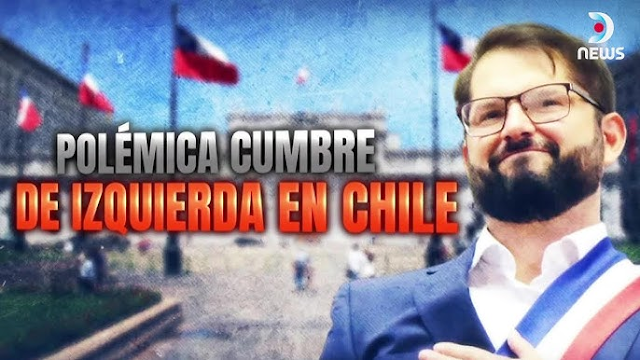
Polémica cumbre de izquierda en Chile

Ontem, Zaidan fez um comentário corajoso e preciso sobre o presidente Salvador Allende, o legítimo chefe de Estado do Chile que foi brutalmente derrubado e assassinado no golpe militar de 11 de setembro de 1973. Poucos jornalistas se atrevem a dizer com todas as letras o que os documentos e testemunhos já confirmaram: Allende não se suicidou. Foi assassinado pela ditadura sangrenta e nefasta de Augusto Pinochet.

Eu posso afirmar isso com a autoridade de quem viveu aquele dia terrível. Trabalhava, naquela manhã de 11 de setembro, na histórica Rádio Corporación CB 114, onde transmitimos ao vivo o primeiro pronunciamento do presidente Allende diante do levante militar. Na época, eu era diretor da rede de emissoras do norte do Chile. Vi, ouvi e senti a tragédia que se abatia sobre meu país. Ninguém pode me contar essa história — eu sou parte dela.

Quero deixar claro que não conheço Claudio Zaidan pessoalmente, mas o escuto diariamente e o admiro profundamente pela sua firmeza e honestidade intelectual. Parabenizo esse grande jornalista não só pela lembrança honesta de Salvador Allende, mas pela clareza ao afirmar que nem o Brasil, nem o Chile podem se transformar em uma nova Venezuela. São países com enorme potencial, riquezas naturais abundantes e um povo trabalhador. O que falta — e sempre faltou — é vontade política e diplomática para romper com a dependência histórica dos interesses norte-americanos e construir uma integração regional autêntica e soberana.

É verdade que os Estados Unidos precisam da América Latina tanto quanto a América Latina precisa dos Estados Unidos. Mas o que não se pode aceitar são essas reuniões populistas promovidas por certos governos latino-americanos — como vimos recentemente no Chile — falando em “democracia” e “liberdade de expressão” enquanto escondem suas enormes dívidas históricas com seus próprios povos.

O Chile é um caso emblemático. A democracia chilena ainda está em débito com:

  • os presos políticos que passaram anos encarcerados e esquecidos;

  • os exonerados políticos, que perderam seus trabalhos e meios de subsistência;

  • os torturados e desaparecidos, cuja memória insiste em resistir ao silêncio;

  • e as crianças sequestradas, vendidas a famílias estrangeiras com a cumplicidade de setores políticos, judiciais e religiosos.

Como podem estes mesmos setores hoje discursar sobre liberdade e direitos humanos, quando ainda não foram capazes de reparar as vítimas da ditadura?


Claudio Zaidan na bancada da Rádio Bandeirantes


A fala de Claudio Zaidan, ao resgatar a verdade sobre Salvador Allende, nos lembra que a história não pode ser enterrada sob conveniências ideológicas. E nos alerta que a democracia se constrói com memória, justiça e coragem. Coisas que ele, como jornalista íntegro, demonstra ter de sobra.

Claudio Zaidan hits the mark in remembering Salvador Allende: a history lesson that must not be erased


By Rodolfo Varela

In times of historical manipulation and hollow speeches about democracy and freedom, it is rare to find voices that remain lucid, critical, and deeply respectful of the truth. One of those voices is that of journalist and commentator Claudio Scaff Zaidan, a renowned professional at the Grupo Bandeirantes de Comunicação, and a multiple-time winner of the ACEESP Trophy between 2014 and 2023. With his direct, ethical, and intelligent style, Zaidan has stood out not only in sports journalism but also in the sharp political commentary he delivers every afternoon on Rádio Bandeirantes.


Controversial left-wing summit in Chile


Yesterday, Zaidan made a bold and accurate comment about President Salvador Allende, the legitimate head of state of Chile who was brutally overthrown and murdered during the military coup of September 11, 1973. Few journalists dare to state clearly what documents and witness accounts have already confirmed: Allende did not commit suicide. He was murdered by the bloody and nefarious dictatorship of Augusto Pinochet.

I can say this with the authority of someone who lived through that terrible day. On that morning of September 11, I was working at the historic Radio Corporación CB 114, where we broadcast live the first statement from President Allende as the coup unfolded. At the time, I was the director of the northern Chilean radio network. I saw, I heard, and I felt the tragedy that fell upon my country. No one can tell me that story — I am part of it.

Let me be clear: I don’t know Claudio Zaidan personally, but I listen to him every day and deeply admire and respect him for his consistency and intellectual honesty. I congratulate this outstanding journalist not only for his truthful recollection of Salvador Allende but for clearly stating that neither Brazil nor Chile should become a new Venezuela. These are nations of great potential, abundant natural resources, and hardworking people. What’s missing — and has always been missing — is political and diplomatic will to break with the historical dependence on U.S. interests and build an authentic and sovereign regional integration.

It’s true: the United States needs Latin America just as much as Latin America needs the United States. But what cannot be accepted are these populist summits held by certain Latin American governments — like the recent one in Chile — speaking about “democracy” and “freedom of expression” while hiding their massive historical debts to their own people.

Chile is a prime example. Chilean democracy is still indebted to:

  • the political prisoners who spent years behind bars and were forgotten;

  • the exonerated workers, who lost their jobs and livelihoods;

  • the tortured and disappeared, whose memory refuses to be erased;

  • and the children who were kidnapped and sold to foreign families with the complicity of political, judicial, and religious institutions.

How can these same sectors today talk about freedom and human rights when they have not yet repaired the victims of the dictatorship?


Claudio Zaidan on the Radio Bandeirantes panel


Claudio Zaidan’s statement, in rescuing the truth about Salvador Allende, reminds us that history cannot be buried for ideological convenience. And it warns us that democracy is built on memory, justice, and courage — qualities that Zaidan, as an honest journalist, clearly possesses in abundance.